
A carpet may look worn after years of everyday use, while dust, grease and soap residue can usually be addressed through cleaning. A burn mark, broken fixture or damaged benchtop is a different matter.
Knowing which category an issue falls into can help you plan your move, avoid unnecessary work and prepare for your final property inspection.
The key distinction is simple: fair wear and tear relates to ordinary deterioration, cleaning addresses removable dirt, and damage involves physical harm beyond normal use.
This guide explains the difference, what to check before handing back your keys, and when professional bond cleaning in Sydney may be worthwhile.
Table of Contents
- What Is Fair Wear and Tear in a Rental Property in NSW?
- Fair Wear and Tear vs Damage vs Cleaning
- End-of-Lease Cleaning Requirements in NSW
- Can a Landlord Deduct Bond for Cleaning in NSW?
- When Should You Book Professional Bond Cleaning?
- Bond Cleaning Sydney Prices
- Sydney Move-Out Cleaning Checklist
- When You Should Reconsider Booking a Cleaner
- Frequently Asked Questions
- Final Thoughts
What Is Fair Wear and Tear in a Rental Property in NSW?
Fair wear and tear is the ordinary deterioration that occurs as a property is used over time. It can result from reasonable everyday use and natural factors, even when tenants take reasonable care of the property.
NSW Fair Trading distinguishes fair wear and tear from damage caused intentionally, negligently or irresponsibly. Tenants are generally expected to leave the property as close as possible to its original condition, allowing for fair wear and tear.
For example, a carpet may develop flattened fibres in frequently used areas. Paint may fade over time, and curtains may become discoloured through sunlight exposure.
These changes do not automatically mean the tenant has damaged the property.
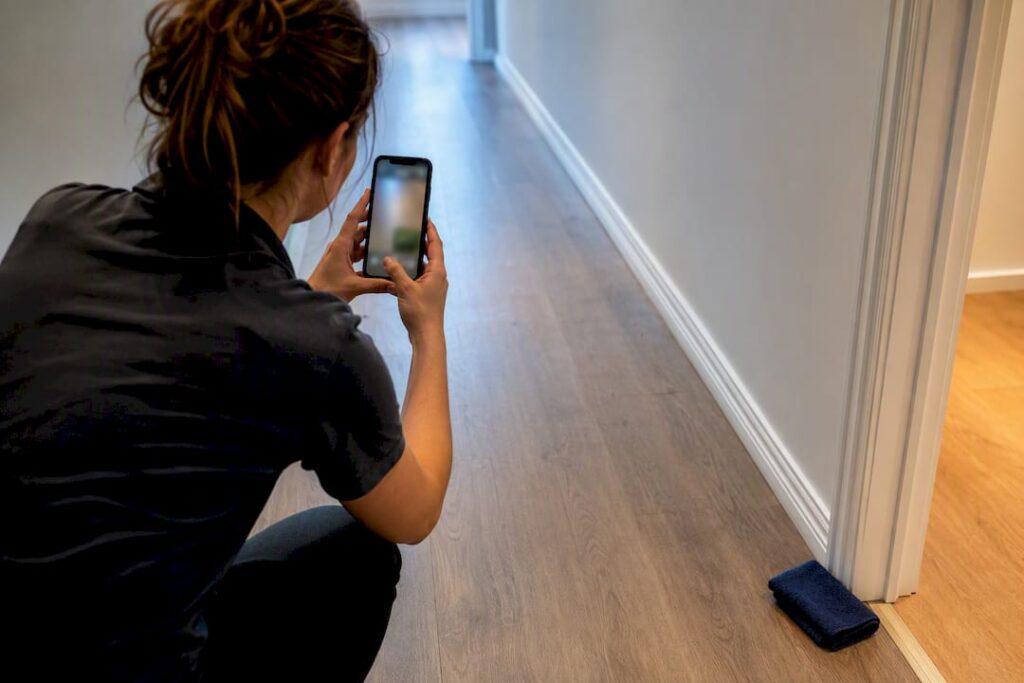
The original condition report is an important reference because it records the property’s condition at the beginning of the tenancy. Comparing it with the property’s condition at the end can help identify what has changed.
For general information, consult the official NSW Fair Trading guide to fair wear and tear versus damage.
Fair Wear and Tear vs Damage vs Cleaning
The easiest way to understand your move-out responsibilities is to separate the issues into three categories.
| Category | What it means | Common example | Practical next step |
|---|---|---|---|
| Fair wear and tear | Ordinary deterioration over time | Flattened carpet fibres from regular foot traffic | Compare the condition with your entry report |
| Damage | Physical harm that may result from misuse, negligence or an accident | A carpet burn or broken window | Document the issue and consider the appropriate repair |
| Cleaning | Removable dirt, residue or accumulated grime | Dust, greasy kitchen surfaces or soap scum | Clean the affected area or arrange an appropriate cleaning service |
These categories can overlap in appearance, so the cause and condition of the property matter.
Carpet: Wear, stains and burns
Carpet is a common source of confusion during final inspections.
Flattened fibres and traffic marks can be ordinary signs of use. A burn mark, however, is an example of damage identified in NSW Fair Trading guidance.
Dust, loose hair and removable surface dirt are cleaning issues. A persistent stain may need specialist assessment, depending on the material and cause.
Professional carpet steam cleaning can help with appropriate carpet-cleaning requirements, but it cannot guarantee that every stain will disappear or reverse permanent damage.
Walls and paint
Paint that has faded or worn around a light switch may reflect ordinary use.
Marks caused by removing adhesive, damaged plaster or holes made during the tenancy may require something beyond cleaning. Dust, fingerprints and removable surface marks are different again.
Before attempting to scrub a wall, check the surface and finish. Aggressive cleaning can make the problem worse.
Floors, kitchens and windows
Light scuffing on wooden floors may be ordinary wear, while deep gouges can indicate damage. A worn benchtop is different from a burn or cut.
Grease on a cooktop, dust on window sills and residue on bathroom tiles are generally cleaning tasks.
The important question is not simply whether an area looks imperfect. Ask what caused the condition, whether it can be cleaned, and how the property compares with the original condition report.
End-of-Lease Cleaning Requirements in NSW
A tenant’s general responsibility is to leave the rental property reasonably clean and in a condition consistent with its original state, allowing for fair wear and tear.
That does not mean every surface must be new or that every sign of age must disappear.
The property’s condition at the beginning of the tenancy matters. If an oven, bathroom or carpet was already marked or dirty when you moved in, the entry condition report and supporting photographs may help establish the original condition.
Before moving out:
- Remove your personal belongings and rubbish.
- Clean kitchen surfaces and address removable grease.
- Clean bathroom fixtures and remove ordinary soap residue.
- Vacuum floors and address removable dirt.
- Check cupboards, window sills and other areas identified in your inspection requirements.
- Photograph the property’s condition after cleaning.
- Keep relevant cleaning receipts and booking records.
Do tenants have to pay for professional cleaning in NSW?
Not automatically.
The general expectation is reasonable cleanliness and a return to the property’s original condition, allowing for fair wear and tear. Hiring a professional cleaner is not a universal requirement for every tenant.
Particular circumstances and tenancy agreement terms can matter. For example, NSW tenancy information addresses specific circumstances involving pets and cleaning requirements.
If you are uncertain about a clause in your agreement, seek guidance from NSW Fair Trading rather than relying solely on a cleaning company’s interpretation.
Professional cleaning can still be a practical choice when a property needs extensive attention, your moving schedule is tight or you would prefer help with the final preparation.
Can a Landlord Deduct Bond for Cleaning in NSW?
A landlord or agent may have grounds to claim reasonable cleaning costs if the property has not been left reasonably clean. However, ordinary wear and tear is not the same as a cleaning failure or tenant-caused damage.
A useful starting point is to compare the entry condition report with the final condition of the property.
For example, if an oven was clean at the start of the tenancy but has substantial removable grease at the end, cleaning may be the relevant issue. If the oven’s finish is worn through ordinary ageing, that is a different situation.
The same principle applies to carpets, walls, floors and other fixtures.
What evidence should you keep?
Before returning the keys:
- Review the original condition report.
- Take clear, dated photographs of the property’s final condition.
- Record any pre-existing damage or deterioration.
- Keep receipts for cleaning or repair work you arrange.
- Ask the property manager to identify specific cleaning concerns if issues are raised.
Condition reports and photographs can help establish what changed during the tenancy. The NSW Government provides further information in its guide to rental property condition reports.
A professional cleaner can help address cleaning issues, but cannot decide whether a landlord’s bond claim is valid. If you need help understanding a dispute, contact NSW Fair Trading.
When Should You Book Professional Bond Cleaning?
Professional end-of-lease cleaning may be useful when the property needs more attention than you can comfortably manage yourself.
It can be particularly helpful if:
- You are balancing packing, removalists and a fixed key-handover time.
- The kitchen and bathrooms need detailed cleaning.
- You have limited time before the final inspection.
- Several rooms require attention at once.
- You want help with agreed cleaning tasks rather than completing everything yourself.
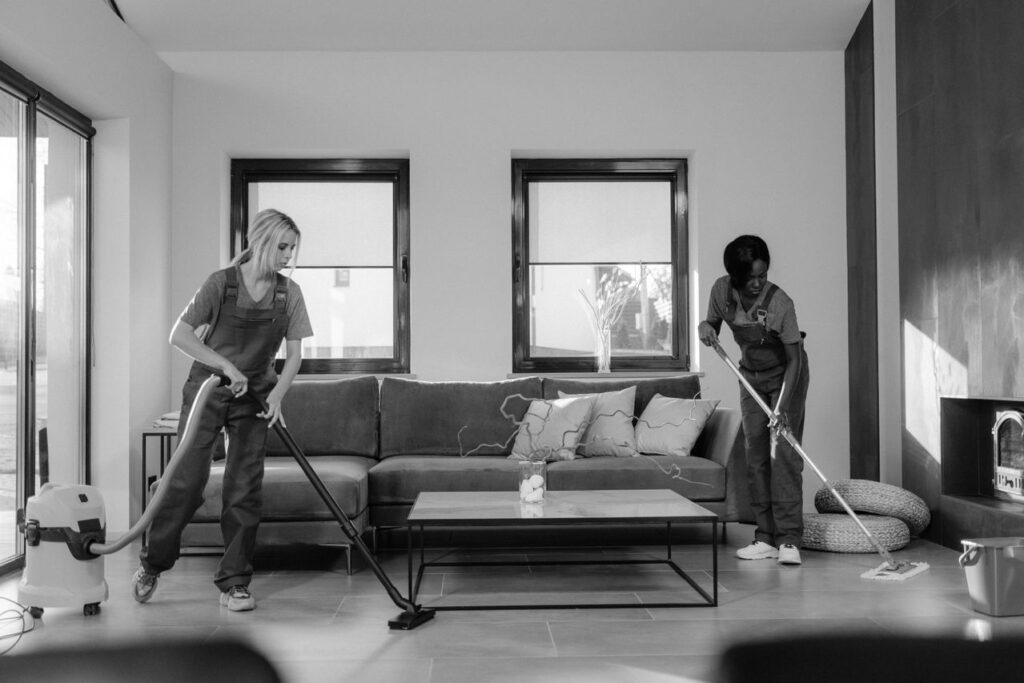
Bond Cleaning Sydney offers end-of-lease cleaning, move-out cleaning, deep cleaning and carpet steam cleaning across Sydney, subject to service availability and the agreed scope of work.
The right service depends on the actual condition of the property. A general clean may be appropriate for a home that needs routine attention, while a more detailed end-of-lease clean may suit a property being prepared for handover.
If the issue is a broken fixture, damaged paint or a deep gouge in the floor, ask the appropriate repair professional about the problem instead of assuming cleaning will resolve it.
Bond Cleaning Sydney Prices
The live Bond Cleaning Sydney pricing page publishes prices for end-of-lease cleaning, general cleaning, deep cleaning, regular cleaning, carpet cleaning and selected additional services.
The following figures were verified against that page during the October 2026 research.
End-of-lease cleaning prices
| Property configuration | Published price (AUD) |
|---|---|
| 1 bedroom, 1 bathroom | $340 |
| 2 bedrooms, 1 bathroom | $400 |
| 3 bedrooms, 2 bathrooms | $473 |
| 4 bedrooms, 2 bathrooms | $553 |
| 4 bedrooms, 3 bathrooms | $586 |
Selected additional services
| Additional service | Published price (AUD) |
|---|---|
| Inside oven | $60 |
| Interior windows, 1–3 bedrooms | $62 |
| Blinds or shutters | $15 per fixture |
| Garage cleaning | $30 |
| Carpet steam cleaning | $88 per room or area |
The website publishes separate rates for other window configurations and additional services. Confirm the relevant scope when requesting your quote.
These are published prices, not a guarantee that every property will have the same total. The final quote depends on the property, condition and requested work.
Need a quote for your move-out clean? Visit the Bond Cleaning Sydney pricing page or call 0420 900 189 to discuss your requirements.
Sydney Move-Out Cleaning Checklist
A clear checklist can help you prioritise the work before the final inspection.
Kitchen
- Remove rubbish and personal belongings.
- Clean removable grease from the cooktop and accessible surfaces.
- Check the oven and rangehood.
- Wipe benchtops and splashbacks.
- Check cupboard interiors where cleaning is required.
- Clean the sink and taps.
- Remove dust and debris from accessible surfaces.
Bathrooms and laundry
- Clean the toilet, basin and taps.
- Remove ordinary soap residue from shower screens and tiles.
- Clean mirrors.
- Wipe accessible surfaces and storage areas.
- Remove rubbish and personal belongings.
Bedrooms and living areas
- Remove belongings and rubbish.
- Dust accessible surfaces.
- Vacuum floors and carpets.
- Clean removable marks where the surface permits.
- Check wardrobes and cupboards where included in your agreed cleaning scope.
Floors, windows and other areas
- Remove loose dirt and debris.
- Check window sills and accessible tracks.
- Address removable marks on suitable surfaces.
- Check balconies, garages and other areas identified in your tenancy requirements.
- Photograph the property after the work is completed.
Plan the timing
For a smoother handover, arrange the clean after your belongings have been removed whenever possible.
Allow time for the cleaning work, a final walkthrough and key return. If you live in an apartment, check building access requirements, lift bookings and any relevant strata arrangements before confirming the cleaning appointment.
End-of-month moves can create competing deadlines for removalists, building access and key handover. Booking early gives you more flexibility if your plans change.
When You Should Reconsider Booking a Cleaner
Professional cleaning is not the right solution for every move-out problem.
Consider another option if:
- The issue is physical damage. Broken glass, deep floor gouges and damaged fixtures may need repair rather than cleaning.
- The issue is ordinary deterioration. Faded paint and normal carpet wear do not become new simply because a property is professionally cleaned.
- You need tenancy advice. Questions about disputed deductions, lease clauses or your rights should be directed to NSW Fair Trading.
- You need specialized short-stay turnover services. If your priority is an Airbnb turnover involving linen changes, guest restocking or hospitality-specific arrangements, confirm that the provider offers those services before booking. They are not automatically included in a standard end-of-lease clean.
A useful approach is to identify the problem first and then choose the service that matches it.
Frequently Asked Questions
1. What is fair wear and tear in a rental property in NSW?
Fair wear and tear is the ordinary deterioration that occurs through reasonable everyday use and natural ageing. Examples can include flattened carpet fibres, faded curtains and worn paint. The original condition report helps establish the property’s condition at the beginning of the tenancy.
2. What is the difference between fair wear and tear and cleaning?
Fair wear and tear refers to ordinary deterioration over time. Cleaning removes dirt, grease, dust and other removable residue. Physical damage, such as a carpet burn or broken glass, is a separate category.
3. Can a landlord deduct bond for cleaning in NSW?
A landlord or agent may have grounds to claim reasonable cleaning costs if a property has not been left reasonably clean. The original condition, evidence and circumstances matter. For guidance about a specific claim, contact NSW Fair Trading.
4. Do tenants have to pay for professional cleaning in NSW?
Professional cleaning is not a universal requirement for every tenant. The general expectation concerns reasonable cleanliness and the property’s original condition, allowing for fair wear and tear. Specific circumstances, including applicable pet-related conditions, may affect the requirements.
5. Is carpet wear considered fair wear and tear?
Ordinary traffic marks and furniture indentations can be examples of fair wear and tear. Burns and stains may be treated differently depending on their cause. Vacuuming or steam cleaning can address appropriate cleaning issues but cannot reverse every type of carpet damage.
6. What should tenants clean before the final inspection?
Prioritise kitchens, bathrooms, floors, accessible surfaces and any other areas that require cleaning compared with their original condition. Review your entry condition report and tenancy requirements, remove belongings and rubbish, and take dated photographs after completing the work.
7. How much does bond cleaning cost in Sydney?
The published Bond Cleaning Sydney prices reviewed in October 2026 range from $340 for a one-bedroom, one-bathroom property to $586 for a four-bedroom, three-bathroom property. Additional services can cost extra. Confirm your property’s requirements and final quote before booking.
8. What happens if the agent is not satisfied with the clean?
Ask for the specific cleaning items that need attention and compare them with your agreed cleaning scope and the property’s condition. Bond Cleaning Sydney advertises a 72-hour re-clean guarantee for eligible cleaning-related issues covered by its terms.
The guarantee concerns returning to re-clean covered issues; it does not guarantee that the landlord or property manager will refund the bond.
Final Thoughts
Understanding fair wear and tear vs cleaning in NSW helps you focus on the work that genuinely matters before moving out.
Ordinary deterioration, removable dirt and physical damage are different issues. Reviewing your entry condition report, documenting the property’s condition and addressing genuine cleaning requirements can make the handover process more organised.
If your Sydney rental needs professional end-of-lease cleaning, Bond Cleaning Sydney can provide a quote based on your property and requested services.
Call 0420 900 189 or visit the contact page to discuss your move-out cleaning requirements.
Our 72-hour bond-back guarantee means we’ll return and re-clean anything your agent flags within 72 hours, subject to the applicable terms and conditions. The final bond release decision always sits with your property manager or agent.